Strategic Drug Prevention: Outcomes from Mesyuarat Jawatan Kuasa Bertindak Pendidikan Pencegahan dan Publisiti Bilangan 1 Tahun 2021
In a decisive step toward strengthening national anti-drug initiatives, the Malaysian government convened a high-level strategic session aimed at harmonizing public education, awareness campaigns, and community outreach. The Mesyuarat Jawatan Kuasa Bertindak Pendidikan Pencegahan dan Publisiti Bilangan 1 Tahun 2021 was held at the Meeting Room of the Minister of Communications and Multimedia in Putrajaya. Chaired by Yang Berhormat Dato’ Saifuddin bin Abdullah, the Minister of Communications and Multimedia Malaysia (KKMM), this premier assembly brought together pivotal government leaders and agency heads to chart a proactive course in combating drug misuse through targeted education and strategic media dissemination.
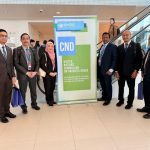
Prior to the commencement of the meeting, an executive pre-council briefing took place. YBrs. Tuan Sutekno Ahmad Belon, Director General of the National Anti-Drugs Agency (NADA / AADK), met with the Minister alongside YBhg. Dato’ Sri Haji Mohammad bin Mentek, Secretary-General of KKMM, and Datuk Musa bin Sulaiman, Division Secretary for Prisons, Anti-Drugs, and RELA at the Ministry of Home Affairs (KDN). This preparatory discussion set the foundation for the committee’s key priorities, emphasizing the urgent need to modernize outreach frameworks and ensure coordinated messaging across all government machinery.
—
Core Focus Areas of Mesyuarat Jawatan Kuasa Bertindak Pendidikan Pencegahan dan Publisiti Bilangan 1 Tahun 2021
The execution of Mesyuarat Jawatan Kuasa Bertindak Pendidikan Pencegahan dan Publisiti Bilangan 1 Tahun 2021 underscored the critical necessity of building an informed society capable of resisting the perils of drug abuse. Central to the discussions was the comprehensive mobilization of mass media channels. Delegates emphasized that traditional print publications and modern electronic broadcasting platforms can no longer function in isolation. Instead, an integrated, multi-channel communication strategy must be deployed to amplify the reach and efficacy of nationwide preventive education.
During the session, participants identified several core operational benchmarks:
Synergistic Media Integration: Fusing print, television, radio, and emerging digital networks to create a consistent, high-impact anti-drug narrative across the nation.
Modernized Content Creation: Transitioning from passive public service announcements to engaging, evidence-based visual storytelling that resonates with contemporary audiences.
Targeted Youth Interventions: Designing specialized awareness modules that directly address the vulnerabilities of school children and underage demographics.
Cross-Agency Synchronization: Establishing seamless communication channels between law enforcement bodies, social welfare institutions, and educational authorities.
—
Leveraging Modern Media to Shield Vulnerable Youth
A substantial portion of the committee’s agenda focused on the increasing vulnerability of underage populations to illicit substances and synthetic drug variants. Conventional outreach methods often fail to capture the attention of younger generations who consume information primarily through digital ecosystems and social platforms.
To counter this challenge, the committee outlined an aggressive publicity roadmap. By combining the vast reach of electronic media with the analytical depth of print journalism and the immediacy of social media, the government aims to create an omnipresent educational barrier. These proactive campaigns are tailored to educate adolescents on the severe legal, biological, and psychological consequences of drug involvement before experimentation begins. Furthermore, empowering parents, guardians, and educators with informative toolkits remains a top priority to facilitate early detection and rapid intervention at the grassroots level.
—
Fostering Cross-Ministerial Collaboration for Lasting Impact
Conducted via a hybrid virtual format to ensure comprehensive multi-agency participation, the meeting highlighted the whole-of-government approach required to eradicate substance abuse. Notable attendees included YB Datuk Halimah binti Mohamed Sadique, Minister of National Unity, alongside various Deputy Ministers and senior policymakers representing diverse government sectors.
The presence of the Ministry of National Unity and allied ministries reinforced the principle that drug prevention is fundamentally linked to community resilience, social harmony, and national development. By aligning preventive education with broader community building programs, the committee seeks to build localized support networks that protect neighborhoods from illicit activities while fostering an environment of vigilance and care.
—
Conclusion
The successful execution of Mesyuarat Jawatan Kuasa Bertindak Pendidikan Pencegahan dan Publisiti Bilangan 1 Tahun 2021 marked a vital milestone in Malaysia’s ongoing battle against substance abuse. By bridging the gap between strategic policy formulation and dynamic public communication, the committee has established a clear, modern roadmap for preventive education. Moving forward, the collaborative synergy between KKMM, KDN, AADK, and participating ministries will ensure that anti-drug messaging remains innovative, pervasive, and capable of safeguarding future generations against the societal dangers of illicit drugs.